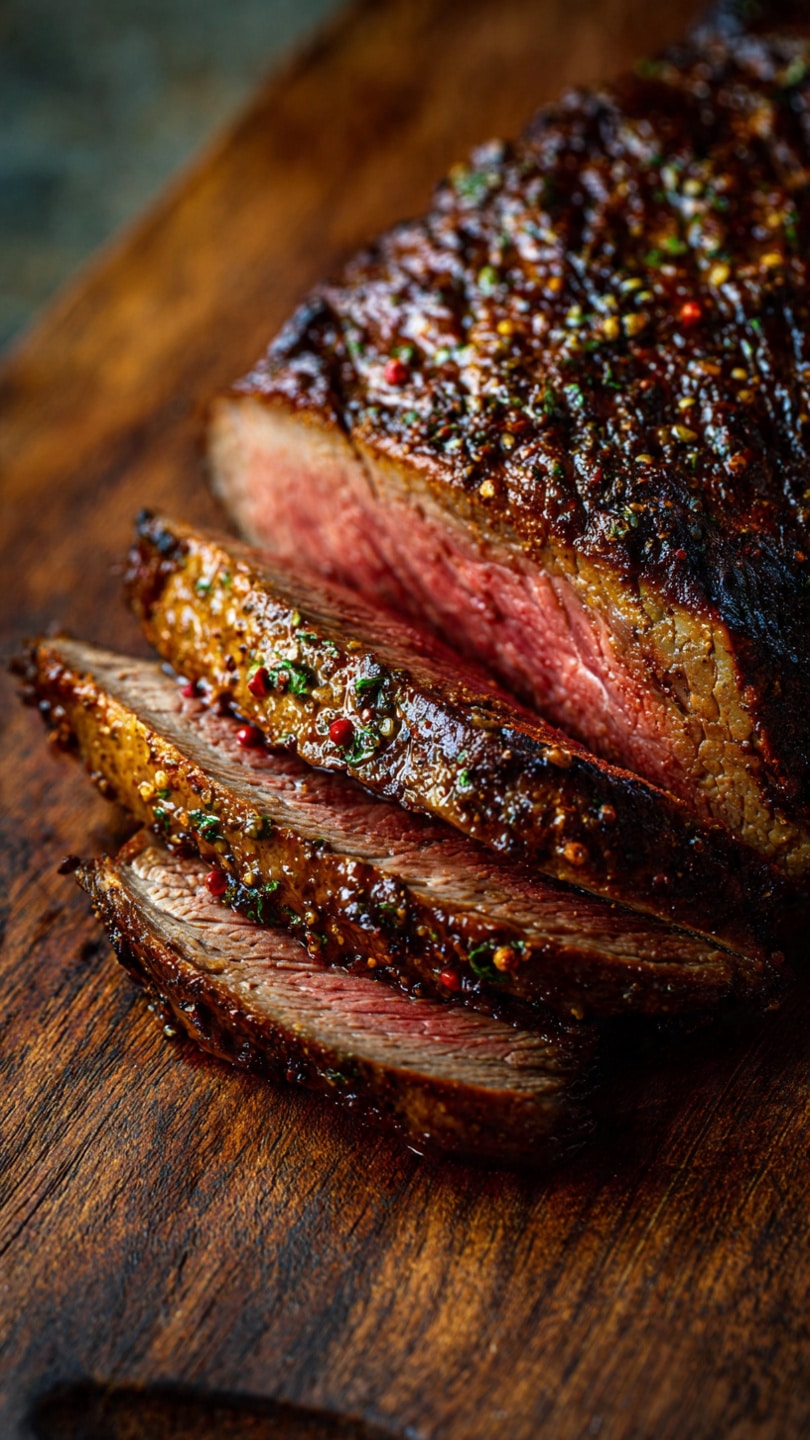
This koji-marinated filet mignon uses a simple dry rub and a couple days in the fridge to gently tenderize the surface and concentrate savory, umami flavor—like a shortcut to a subtle dry-aged vibe without any special equipment.
Why You’ll Love This Recipe
Deep, rounded umami with very little effort
Tender texture and a noticeably “beefier” flavor
Mostly hands-off time (the fridge does the work)
Easy to scale up for more steaks
Works on other proteins and even vegetables, too
Ingredients
(Tip: You’ll find the full list of ingredients and measurements in the recipe card below.)
2 filet mignon steaks (6 to 8 ounces each, about 1 1/2 inches thick)
1/3 cup dried koji rice (about 35 g), ground into a fine powder
1 teaspoon kosher salt (optional, use if your koji is unsalted)
1 tablespoon neutral oil (such as avocado or grapeseed), for searing
1/2 teaspoon freshly ground black pepper (optional)
Directions
Grind the koji: Add the dried koji rice to a blender or spice grinder and pulse until it becomes a fine powder. Let the dust settle for a moment before opening.
Prep the steaks: Pat the filet mignon very dry with paper towels. (Dry surface = better dehydration and a better sear later.)
Coat with koji: Place the steaks on a plate or tray and coat all sides evenly with the koji powder. If using salt, sprinkle it evenly over the steaks after the koji goes on.
Dry in the fridge: Set the coated steaks on a wire rack over a rimmed sheet pan (airflow matters). Refrigerate uncovered for 24 to 72 hours. Two days is a great sweet spot for noticeable flavor and texture change without going too intense.
Optional rinse: After the fridge time, you can rinse the surface briefly under cool water to remove excess koji (helps reduce the chance of scorching). Pat the steaks very dry again. If you skip rinsing, plan to use a little oil and watch the heat carefully.
Sear: Heat a heavy skillet (cast iron is ideal) over medium-high until very hot. Add the oil. Sear the steaks 2 to 4 minutes per side, depending on thickness, until deeply browned.
Finish to doneness: If needed, lower the heat slightly and continue cooking, flipping as needed, until the center reaches your target temperature. For medium-rare, aim for 130–135°F (54–57°C).
Rest and slice: Rest the steaks 3 to 4 minutes, then slice and serve.
Servings and timing
Servings: 2
Active time: 15 minutes
Marination/drying time: 24 to 72 hours (best: about 48 hours)
Cook time: 6 to 10 minutes
Rest time: 3 to 4 minutes
Total time: about 24 hours 30 minutes to 72 hours 30 minutes
Variations
Shio koji option: Mix 1/3 cup ground koji with 3 tablespoons water and 1 teaspoon salt to make a paste. Coat the steaks, refrigerate 6 to 24 hours, then wipe or rinse and cook.
Other cuts: Try strip steak, ribeye, or sirloin. Thicker steaks benefit most from 48–72 hours.
Herb-forward: Add 1 teaspoon dried thyme or crushed rosemary to the koji powder for a subtle aroma.
Spicy umami: Add 1/2 teaspoon chili flakes or 1 teaspoon smoked paprika to the rub (watch heat during searing).
Vegetable “koji-age”: Coat peeled carrots or beets with ground koji, refrigerate 24–48 hours, then rinse, roast, and season.
Storage/Reheating
Raw, koji-coated steak: Keep refrigerated on a rack and cook within 3 days total of starting the fridge dry. If you’re not cooking by then, freeze the steak (remove excess surface koji first for best results).
Cooked steak: Cool, then store in an airtight container in the fridge for up to 3–4 days.
Reheating: For best texture, rewarm gently in a skillet over low heat with a small splash of water and a lid, just until warmed through. Avoid blasting in a hot pan, which can overcook the center.
FAQs
What does koji do to steak?
Koji contains enzymes that help break down proteins and develop deeper savory flavor. In a dry application, it also encourages mild surface dehydration, which concentrates taste.
Will the steak taste fermented?
Not in an overpowering way when used as a dry rub for 24–48 hours. It reads more like extra umami and a slightly “aged” richness.
Do I have to rinse the koji off before cooking?
No. Rinsing is optional. Rinsing helps prevent the koji from scorching during a hard sear; leaving it on can create a deeper, saltier, more complex crust.
Can I marinate longer than three days?
It’s better not to. Past that point, the texture can start to shift too far on the surface and food safety becomes a concern. If you need more time, freeze the steak.
Does this work with cheaper cuts?
Yes, but use a shorter dry time at first (24–48 hours) and slice thin across the grain. It can noticeably improve tenderness and flavor.
Should I salt the steak if koji is already salty?
Taste varies by brand. If your koji is unsalted, add salt. If it’s salted, you may not need any additional salt at all.
Can I use koji powder instead of dried koji rice?
Yes. Use the same amount by weight (about 35 g). If measuring by volume, start with 1/3 cup and adjust as needed to fully coat.
What’s the best doneness for koji-aged filet?
Medium-rare is ideal for filet mignon because it stays especially tender and juicy. If you prefer medium, aim for 135–145°F (57–63°C).
Can I do this without a wire rack?
A rack is strongly recommended for airflow. If you don’t have one, place the steak on a clean folded paper towel on a plate and replace the towel if it becomes damp.
What should I serve with it?
Simple sides shine: roasted vegetables, steamed rice, mashed potatoes, or a crisp salad. Keep flavors clean so the umami stands out.
Conclusion
Koji marinated beef is a simple, technique-driven recipe that delivers big results: deeper flavor, improved tenderness, and a steakhouse-style eating experience with minimal ingredients. Once you try it on filet mignon, it’s easy to see how the same approach can open the door to experimenting with other cuts, proteins, and even vegetables.
Koji Marinated Beef uses a dry rub of ground koji rice to gently tenderize filet mignon and boost umami, creating rich, steakhouse-level flavor with minimal effort. A few days in the fridge results in a juicy, subtly aged taste that’s deeply satisfying.
Author:Sophia
Prep Time:15 minutes
Cook Time:10 minutes
Total Time:24 hours 30 minutes to 72 hours 30 minutes
Yield:Serves 2
Category:Main Course
Method:Dry Cure & Pan Sear
Cuisine:Fusion
Diet:Halal
Ingredients
2 filet mignon steaks (6 to 8 ounces each, about 1 1/2 inches thick)
1/3 cup dried koji rice (about 35 g), ground into a fine powder
1 teaspoon kosher salt (optional, if your koji is unsalted)
1 tablespoon neutral oil (such as avocado or grapeseed)
1/2 teaspoon freshly ground black pepper (optional)
Instructions
Grind dried koji rice in a blender or spice grinder until it becomes a fine powder. Let the dust settle before opening.
Pat filet mignon steaks very dry with paper towels.
Coat steaks evenly on all sides with ground koji powder. If using salt, sprinkle evenly after applying the koji.
Place steaks on a wire rack over a rimmed sheet pan and refrigerate uncovered for 24 to 72 hours (48 hours is ideal).
Optional: Rinse steaks briefly under cool water to remove excess koji. Pat very dry. If skipping rinse, use oil carefully and watch heat during searing.
Heat a heavy skillet (cast iron preferred) over medium-high heat. Add neutral oil and sear steaks for 2 to 4 minutes per side until browned.
Lower heat if needed and continue cooking, flipping as necessary, until internal temperature reaches 130–135°F (54–57°C) for medium-rare.
Remove from pan and rest 3 to 4 minutes before slicing and serving.
Notes
Use unsalted koji or adjust salt if your koji is already salted.
Resting on a wire rack in the fridge ensures even airflow and surface dehydration.
Rinsing helps reduce the chance of burning during searing but is optional.
Works well with other cuts like ribeye or strip steak (extend fridge time for thicker cuts).
Pair with simple sides to let the steak’s flavor shine.