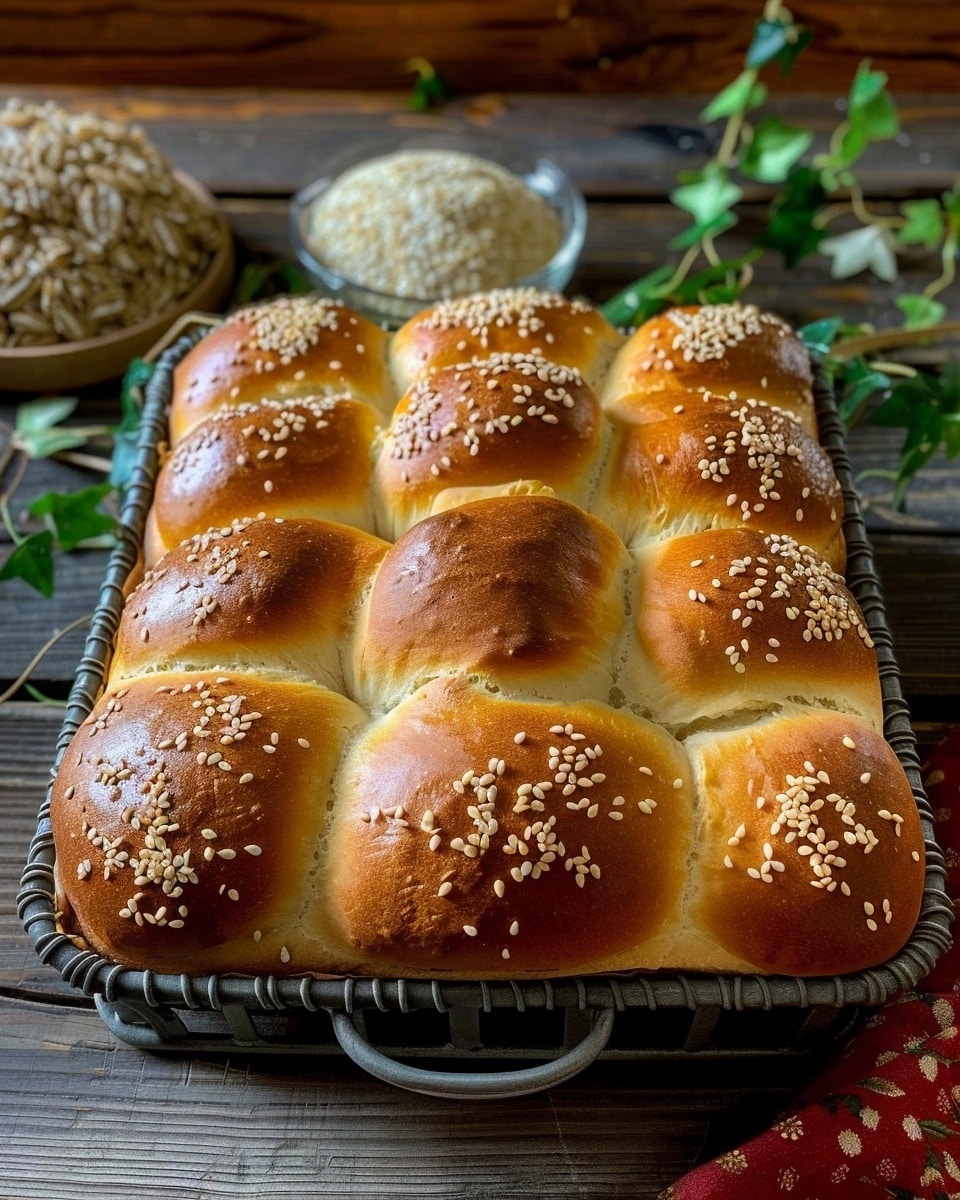
This traditional Hungarian Easter bread, known as Húsvéti Kalács, is a beautifully braided, slightly sweet loaf with a soft, fluffy texture and a golden crust. Often served during Easter celebrations, it pairs wonderfully with butter, jam, or alongside savory dishes. Its delicate sweetness and rich aroma make it a comforting and festive addition to any table.
Why You’ll Love This Recipe
This recipe is simple yet delivers bakery-quality results right from your kitchen. The dough is soft and easy to work with, making it perfect even if you’re new to bread baking. The lightly sweet flavor makes it versatile—you can enjoy it for breakfast, dessert, or as part of a holiday meal. The braided presentation adds an elegant touch, making it visually impressive without requiring complicated techniques. You can also customize it with raisins or citrus zest for added flavor.
Ingredients
(Tip: You’ll find the full list of ingredients and measurements in the recipe card below.)
500 g all-purpose flour
200 ml milk, lukewarm
100 g sugar
100 g butter, melted
2 eggs
7 g dry yeast
1 pinch salt
optional raisins or lemon zest
For brushing:
1 egg, beaten
Directions
Start by preparing a large mixing bowl. Combine the flour, sugar, salt, and dry yeast, ensuring everything is evenly distributed. This step helps activate the yeast properly and ensures a consistent texture.
Warm the milk until it is lukewarm, not hot, as excessive heat can damage the yeast. Add the milk to the dry mixture, followed by the eggs and melted butter. Mix everything together until a dough begins to form.
Transfer the dough onto a lightly floured surface and knead for about 8–10 minutes. The dough should become smooth, soft, and elastic. If it feels too sticky, add a small amount of flour, but avoid adding too much to keep the bread tender.
Place the dough in a lightly greased bowl, cover it with a clean cloth, and let it rise in a warm place for 1 to 1.5 hours. The dough should double in size during this time.
Once risen, gently punch down the dough to release air. Divide it into equal portions depending on how many strands you want for your braid—typically three or four. Roll each portion into long ropes.
Carefully braid the strands together and place the braided dough onto a greased or parchment-lined baking tray. Cover loosely and let it rest for another 20–30 minutes.
Brush the surface with beaten egg to give it a shiny, golden finish. If desired, sprinkle raisins or lemon zest on top for extra flavor.
Preheat your oven to 180°C (350°F). Bake the bread for 25–30 minutes, or until it turns golden brown and sounds hollow when tapped on the bottom.
Allow the bread to cool slightly before slicing. This helps maintain its soft texture and makes it easier to cut.
Servings and timing
This recipe yields one medium braided loaf, serving approximately 6 to 8 people. Preparation time is about 20 minutes, while kneading and shaping take an additional 15 minutes. The first rise requires 60 to 90 minutes, followed by a second shorter rise of 20 to 30 minutes. Baking takes 25 to 30 minutes, bringing the total time to around 2.5 to 3 hours.
Variations
You can easily adapt this recipe to suit your taste. Add a handful of raisins into the dough for a naturally sweet twist. Lemon or orange zest can bring a refreshing citrus aroma. For a richer flavor, replace part of the milk with cream. You can also sprinkle sesame or poppy seeds on top before baking for a more traditional look. If you prefer a sweeter version, increase the sugar slightly or add a light glaze after baking.
Storage/Reheating
Store the bread in an airtight container or wrapped in a clean cloth at room temperature for up to 2 days. For longer storage, keep it in the refrigerator for up to 5 days, though it may lose some softness.
To reheat, slice the bread and warm it in a low-temperature oven for a few minutes or toast individual slices. Avoid overheating, as this can dry out the bread.
FAQs
Can I make this dough ahead of time?
Yes, you can prepare the dough and refrigerate it overnight after the first rise. Let it come to room temperature before shaping.
What if my dough doesn’t rise?
Make sure your yeast is fresh and the milk is not too hot or too cold.
Can I use instant yeast instead of dry yeast?
Yes, you can substitute it directly without changing the quantity.
How do I know when the bread is fully baked?
The bread should be golden brown and sound hollow when tapped on the bottom.
Can I freeze this bread?
Yes, wrap it tightly and freeze for up to 2 months. Thaw at room temperature before serving.
Can I make it without eggs?
Yes, but the texture will be slightly less rich. You can use milk or a plant-based alternative as a substitute.
Why is my bread dense?
This may be due to insufficient kneading or not allowing enough rising time.
Can I add fillings?
Yes, you can incorporate dried fruits or lightly sweetened fillings before braiding.
What flour works best?
All-purpose flour works perfectly, but bread flour can give a slightly chewier texture.
How do I get a shiny crust?
Brushing the dough with beaten egg before baking creates a glossy finish.
Conclusion
Hungarian Easter Sweet Bread is a delightful recipe that combines tradition, simplicity, and rich flavor. Its soft texture and beautiful braided form make it perfect for special occasions or everyday enjoyment. With just a few basic ingredients and some patience, you can create a homemade bread that feels both festive and comforting.
A traditional Hungarian Easter braided sweet bread with a soft, fluffy texture and lightly sweet flavor, perfect for festive occasions or everyday enjoyment.
Author:Sophia
Prep Time:20 minutes
Cook Time:30 minutes
Total Time:2 hours 45 minutes
Yield:6–8 servings
Category:Bread
Method:Baking
Cuisine:Hungarian
Diet:Vegetarian
Ingredients
500 g all-purpose flour
200 ml milk, lukewarm
100 g sugar
100 g butter, melted
2 eggs
7 g dry yeast
1 pinch salt
Optional: raisins or lemon zest
1 egg, beaten (for brushing)
Instructions
In a large bowl, mix flour, sugar, salt, and dry yeast evenly.
Add lukewarm milk, eggs, and melted butter. Mix until a dough forms.
Knead the dough on a floured surface for 8–10 minutes until smooth and elastic.
Place in a greased bowl, cover, and let rise for 1–1.5 hours until doubled in size.
Punch down the dough and divide into 3–4 equal parts. Roll into ropes.
Braid the ropes and place on a lined baking tray.
Cover and let rest for 20–30 minutes.
Brush with beaten egg and add optional toppings.
Bake in a preheated oven at 180°C (350°F) for 25–30 minutes until golden brown.
Cool slightly before slicing and serving.
Notes
Ensure milk is lukewarm to properly activate yeast.
Avoid adding too much flour to keep bread soft.
You can add raisins or citrus zest for extra flavor.